In today’s competitive digital world, attracting visitors to your website is only half the battle. The real challenge is converting those visitors into paying customers. This is where a sales funnel becomes one of the most powerful tools for any business.
A sales funnel helps businesses guide potential customers step-by-step through the buying journey — from discovering a product to making a purchase and becoming loyal customers.
In this blog, we’ll explore what a sales funnel is, how it works, its stages, and why every business should use one.
What is a Sales Funnel?
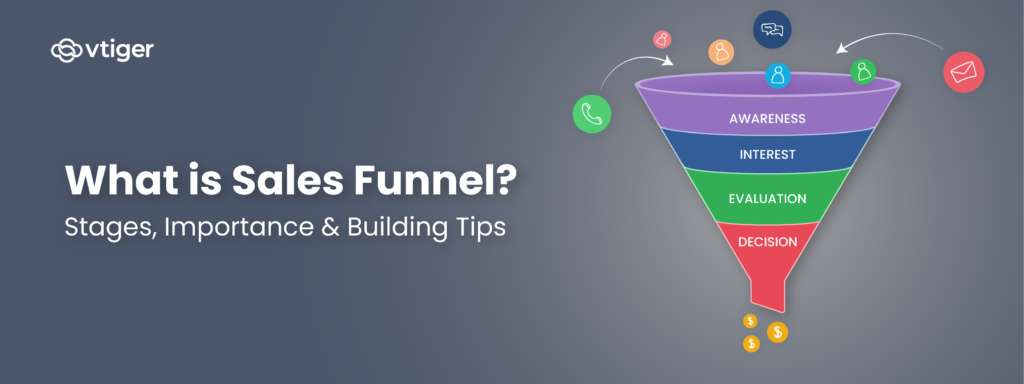
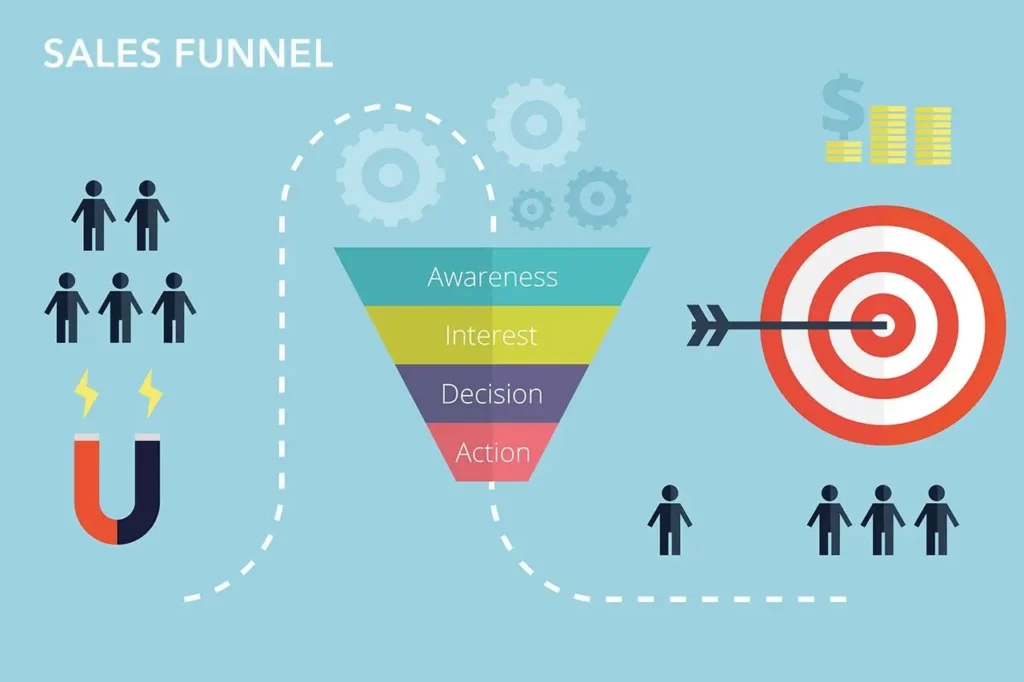
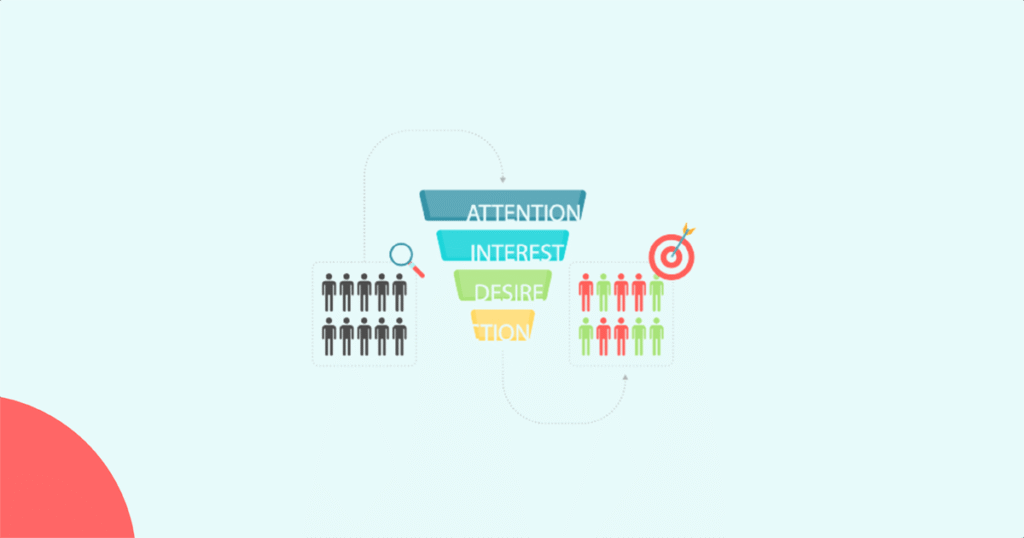
A sales funnel is a marketing and sales process that represents the customer journey from awareness to purchase. It is called a “funnel” because many people enter at the top, but only a smaller number become customers at the bottom.
The funnel helps businesses understand customer behavior and improve conversion rates by targeting users with the right message at the right time.
Why is a Sales Funnel Important?
A well-designed sales funnel can help businesses:
- Generate quality leads
- Increase sales conversions
- Build customer trust
- Improve customer experience
- Reduce marketing costs
- Increase customer retention
Without a sales funnel, businesses often lose potential customers because there is no clear strategy to move them toward a purchase.
Stages of a Sales Funnel
1. Awareness Stage
This is the top of the funnel where potential customers first discover your business.
They may find you through:
- Social media
- Google search
- Blog articles
- YouTube videos
- Paid advertisements
The main goal at this stage is to attract attention and create brand awareness.
Example:
A user searches for “best fitness apps” and lands on your blog post.
2. Interest Stage
Once people know about your brand, they begin exploring your products or services.
At this stage, customers may:
- Read your blogs
- Watch product videos
- Subscribe to newsletters
- Follow your social media pages
Your goal here is to educate and engage the audience.
3. Consideration Stage
In this stage, potential customers compare your product with competitors.
They look for:
- Reviews
- Testimonials
- Pricing
- Product features
- Case studies
Businesses should provide valuable information and build trust.
Tips:
- Offer free trials
- Share customer success stories
- Provide demos or consultations
4. Conversion Stage
This is the bottom of the funnel where the customer decides to purchase.
To improve conversions:
- Create strong call-to-actions (CTAs)
- Offer discounts or bonuses
- Simplify the checkout process
- Provide secure payment options
A smooth buying experience can significantly increase sales.
5. Retention Stage
The funnel does not end after a sale. Retaining customers is equally important.
Happy customers are more likely to:
- Buy again
- Recommend your brand
- Leave positive reviews
Retention strategies include:
- Email marketing
- Loyalty programs
- Customer support
- Personalized offers
Types of Sales Funnels
1. Lead Generation Funnel
Used to collect leads through forms, free ebooks, webinars, or newsletters.
2. Webinar Funnel
Designed to sell products or services through educational webinars.
3. Product Launch Funnel
Used to create excitement and drive sales during a new product launch.
4. Ecommerce Funnel
Focused on converting online store visitors into buyers.
How to Build an Effective Sales Funnel
Understand Your Audience
Research your target customers and understand their pain points.
Create Valuable Content
Use blogs, videos, and social media content to educate users.
Capture Leads
Use landing pages and email forms to collect customer information.
Nurture Leads
Send emails, offers, and helpful content to move prospects toward buying.
Optimize Conversion
Test your landing pages, ads, and CTAs regularly.
Analyze Performance
Track metrics such as:
- Conversion rate
- Bounce rate
- Customer acquisition cost
- Return on investment (ROI)
Common Sales Funnel Mistakes
Many businesses fail because of these common mistakes:
- Ignoring customer needs
- Poor website design
- Weak call-to-action
- Complicated checkout process
- Not following up with leads
- Lack of mobile optimization
Avoiding these mistakes can greatly improve your sales performance.
Best Tools for Sales Funnels
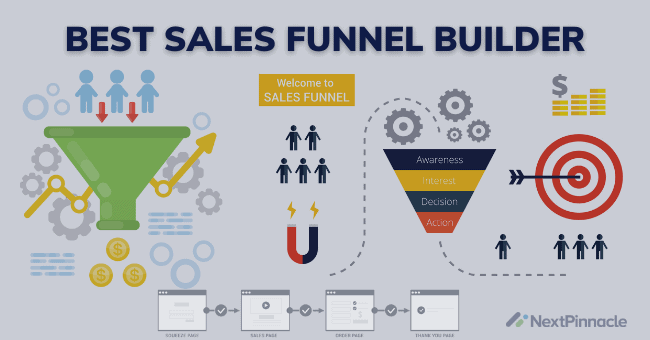
Some popular tools businesses use include:
- HubSpot
- ClickFunnels
- Mailchimp
- Shopify
- Google Analytics
These tools help automate marketing, track customer behavior, and improve conversions.
Final Thoughts
A sales funnel is more than just a marketing strategy — it is a roadmap that guides customers through their buying journey. Businesses that understand and optimize their sales funnels can increase conversions, improve customer relationships, and grow revenue consistently.
Whether you run a startup, ecommerce store, or service business, building an effective sales funnel can help you achieve long-term success in the digital marketplace.
