Welcome to digitaldhruvil.in   Click to listen highlighted text! Welcome to digitaldhruvil.in

Uncategorized

Sales Funnel: The Complete Guide to Turning Visitors into Customers

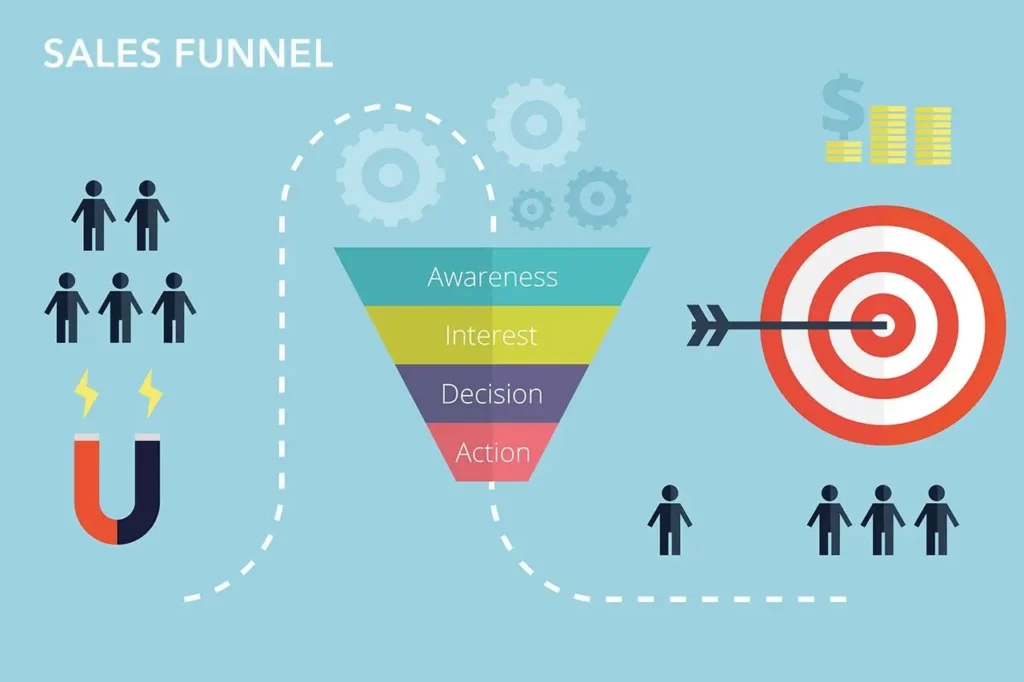
In today’s competitive digital world, attracting visitors to your website is only half the battle. The real challenge is converting those visitors into paying customers. This is where a sales funnel becomes one of the most powerful tools for any business. A sales funnel helps businesses guide potential customers step-by-step through the buying journey — from discovering a product to making a purchase and becoming loyal customers. In this blog, we’ll explore what a sales funnel is, how it works, its stages, and why every business should use one. What is a Sales Funnel? A sales funnel is a marketing and sales process that represents the customer journey from awareness to purchase. It is called a “funnel” because many people enter at the top, but only a smaller number become customers at the bottom. The funnel helps businesses understand customer behavior and improve conversion rates by targeting users with the right message at the right time. Why is a Sales Funnel Important? A well-designed sales funnel can help businesses: Without a sales funnel, businesses often lose potential customers because there is no clear strategy to move them toward a purchase. Stages of a Sales Funnel 1. Awareness Stage This is the top of the funnel where potential customers first discover your business. They may find you through: The main goal at this stage is to attract attention and create brand awareness. Example: A user searches for “best fitness apps” and lands on your blog post. 2. Interest Stage Once people know about your brand, they begin exploring your products or services. At this stage, customers may: Your goal here is to educate and engage the audience. 3. Consideration Stage In this stage, potential customers compare your product with competitors. They look for: Businesses should provide valuable information and build trust. Tips: 4. Conversion Stage This is the bottom of the funnel where the customer decides to purchase. To improve conversions: A smooth buying experience can significantly increase sales. 5. Retention Stage The funnel does not end after a sale. Retaining customers is equally important. Happy customers are more likely to: Retention strategies include: Types of Sales Funnels 1. Lead Generation Funnel Used to collect leads through forms, free ebooks, webinars, or newsletters. 2. Webinar Funnel Designed to sell products or services through educational webinars. 3. Product Launch Funnel Used to create excitement and drive sales during a new product launch. 4. Ecommerce Funnel Focused on converting online store visitors into buyers. How to Build an Effective Sales Funnel Understand Your Audience Research your target customers and understand their pain points. Create Valuable Content Use blogs, videos, and social media content to educate users. Capture Leads Use landing pages and email forms to collect customer information. Nurture Leads Send emails, offers, and helpful content to move prospects toward buying. Optimize Conversion Test your landing pages, ads, and CTAs regularly. Analyze Performance Track metrics such as: Common Sales Funnel Mistakes Many businesses fail because of these common mistakes: Avoiding these mistakes can greatly improve your sales performance. Best Tools for Sales Funnels Some popular tools businesses use include: These tools help automate marketing, track customer behavior, and improve conversions. Final Thoughts A sales funnel is more than just a marketing strategy — it is a roadmap that guides customers through their buying journey. Businesses that understand and optimize their sales funnels can increase conversions, improve customer relationships, and grow revenue consistently. Whether you run a startup, ecommerce store, or service business, building an effective sales funnel can help you achieve long-term success in the digital marketplace.

Sales Funnel: The Complete Guide to Turning Visitors into Customers Read More »

Digital Ad Sales: The Future of Modern Advertising

In today’s fast-moving digital world, businesses are constantly searching for smarter ways to reach customers. One of the most powerful methods is digital ad sales. From social media platforms to websites and mobile apps, digital advertising has become the backbone of modern marketing strategies. What is Digital Ad Sales? Digital ad sales refer to the process of selling advertising space on digital platforms such as websites, mobile applications, search engines, streaming platforms, and social media channels. Companies pay publishers or platforms to display their ads to targeted audiences online. Unlike traditional advertising like newspapers or TV, digital advertising allows businesses to track performance, measure engagement, and target specific customer groups. Why Digital Ad Sales Matter Digital ad sales are growing rapidly because consumers spend more time online than ever before. Businesses can reach millions of users instantly through digital campaigns. Key Benefits: Types of Digital Advertising 1. Search Engine Advertising Ads displayed on search engines like Google Ads help businesses appear when users search for specific keywords. 2. Social Media Advertising Platforms like Facebook, Instagram, and LinkedIn offer highly targeted advertising opportunities. 3. Display Advertising Banner ads shown on websites help businesses increase brand visibility. 4. Video Advertising Video ads on platforms like YouTube attract users through engaging visual content. 5. Mobile Advertising Mobile ads appear inside apps, games, and mobile websites, helping brands connect with smartphone users. How Digital Ad Sales Work The digital advertising ecosystem includes three main players: Most digital ads are sold through automated systems called programmatic advertising, where AI helps place ads in front of the right audience at the right time. Skills Required in Digital Ad Sales Professionals working in digital ad sales need a combination of sales and marketing skills. Important Skills: Challenges in Digital Ad Sales Despite its advantages, digital advertising also faces challenges: Businesses must constantly adapt to new technologies and consumer behavior. Future of Digital Ad Sales The future of digital ad sales looks extremely promising. Artificial intelligence, machine learning, and personalized marketing are transforming the advertising industry. Emerging trends include: As digital consumption continues to grow, digital ad sales will remain a critical part of business growth strategies worldwide. Conclusion Digital ad sales have revolutionized the advertising industry by making marketing more targeted, measurable, and effective. Businesses of all sizes now rely on digital platforms to reach customers and increase sales. With technology evolving rapidly, digital advertising will continue shaping the future of global marketing.

Digital Ad Sales: The Future of Modern Advertising Read More »

The Ultimate Guide to Google Ads for Business Growth

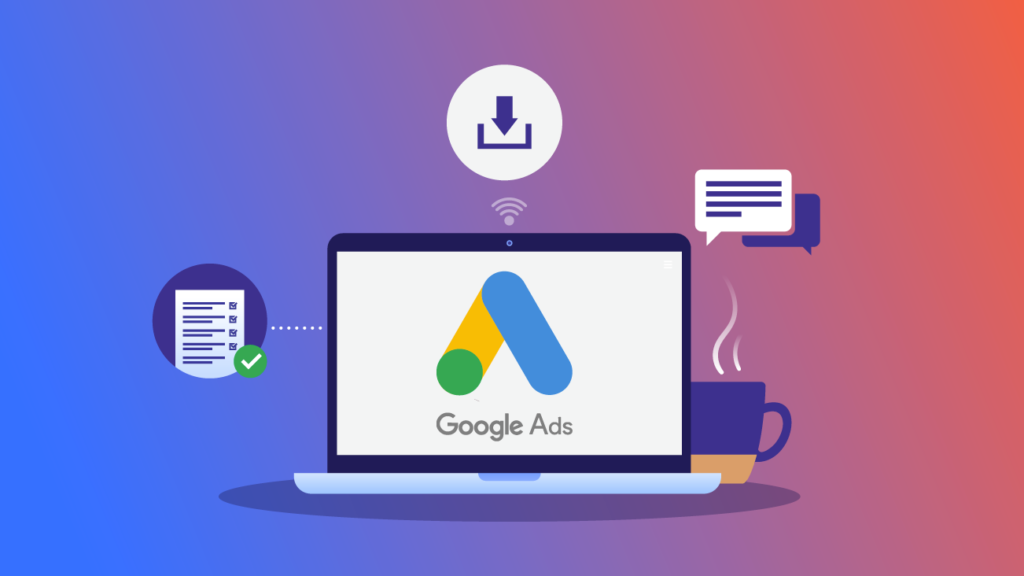
In today’s digital world, online advertising has become one of the fastest ways to grow a business. Among all advertising platforms, Google Ads stands out as one of the most powerful tools for generating traffic, leads, and sales. Whether you run a small business, an eCommerce store, or a large company, Google Ads can help you reach the right audience at the right time. Learn more about Google Ads What is Google Ads? Google Ads is an online advertising platform developed by Google where businesses can create ads that appear on: The platform works mainly on a Pay-Per-Click (PPC) model, meaning advertisers pay only when someone clicks on their ads. Why Businesses Use Google Ads 1. Instant Visibility Unlike SEO, which takes time to rank organically, Google Ads can place your business at the top of search results instantly. 2. Targeted Audience Google Ads allows advertisers to target users based on: This ensures your ads reach people who are genuinely interested in your products or services. 3. Budget Flexibility Businesses can start with a small budget and scale campaigns as results improve. You can control: 4. Measurable Results Google Ads provides detailed analytics such as: These insights help businesses optimize campaigns for better performance. Types of Google Ads Campaigns Search Ads These ads appear on Google search results when users search for specific keywords. Example:If someone searches for “best digital marketing agency,” related ads may appear at the top of the page. Display Ads Display ads are visual banner ads shown on websites and apps within Google’s Display Network. They are ideal for: Video Ads Video ads run mainly on YouTube and are highly effective for audience engagement. Shopping Ads Shopping ads showcase products with: These are excellent for eCommerce businesses. App Campaigns Designed to promote mobile applications across Google platforms. How Google Ads Works Google Ads operates through an auction system. Advertisers bid on keywords relevant to their business. When a user searches for a keyword: The best-performing ads appear at the top. Important Google Ads Terms Keywords Keywords are the search terms users type into Google. Example: CPC (Cost Per Click) The amount advertisers pay when someone clicks on their ad. CTR (Click-Through Rate) The percentage of people who click on your ad after seeing it. Formula for CTR CTR=ClicksImpressions×100CTR = \frac{Clicks}{Impressions} \times 100CTR=ImpressionsClicks​×100 A higher CTR usually indicates that your ad is relevant and engaging. Conversion Rate The percentage of users who complete a desired action after clicking the ad. Benefits of Google Ads Fast Lead Generation Google Ads can quickly generate leads and sales compared to traditional marketing methods. Increased Brand Awareness Even if users don’t click your ads, seeing your brand repeatedly increases recognition. Local Business Promotion Local businesses can target nearby customers searching for services “near me.” Remarketing Opportunities Remarketing allows businesses to show ads to users who previously visited their website. Tips for Running Successful Google Ads Campaigns Choose the Right Keywords Use high-intent keywords related to your products or services. Write Compelling Ad Copy Your ad should include: Example CTA: Optimize Landing Pages Ensure landing pages: Monitor Performance Regularly Analyze campaign data weekly and optimize: Common Mistakes to Avoid Is Google Ads Worth It? Yes, Google Ads can deliver excellent ROI when campaigns are managed correctly. Businesses of all sizes use it to: Success depends on strategy, targeting, ad quality, and continuous optimization. Final Thoughts Google Ads is one of the most effective online advertising platforms available today. With the right strategy, businesses can attract targeted customers, increase conversions, and grow revenue quickly. Whether you are a beginner or an experienced marketer, learning Google Ads can open new opportunities for business growth in the digital marketplace.

The Ultimate Guide to Google Ads for Business Growth Read More »

Mobile Marketing: The Future of Digital Engagement

In today’s fast-paced digital world, mobile marketing has become one of the most powerful tools for businesses to connect with their audience. With billions of people using smartphones daily, companies now have the opportunity to reach customers anytime and anywhere. Mobile marketing is no longer optional—it is essential for growth and success. What is Mobile Marketing? Mobile marketing refers to any marketing activity that targets users through their mobile devices, such as smartphones and tablets. It includes various strategies like SMS marketing, mobile apps, social media, mobile websites, and in-app advertising. The goal is to deliver personalized and relevant content to users on their devices. Importance of Mobile Marketing One of the main reasons mobile marketing is so important is the widespread use of mobile devices. People spend a significant amount of their time on their phones—browsing, shopping, and interacting with content. This creates a huge opportunity for businesses to engage with their audience in real time. Mobile marketing also allows for better targeting. Businesses can use data such as location, preferences, and behavior to create personalized campaigns. This increases the chances of conversion and customer satisfaction. Key Strategies in Mobile Marketing 1. SMS Marketing SMS marketing is one of the oldest and most effective forms of mobile marketing. It allows businesses to send promotional messages directly to customers’ phones. With high open rates, SMS is a great way to share offers, updates, and alerts. 2. Mobile Apps Developing a mobile app helps businesses create a direct connection with their customers. Apps can provide a personalized experience, push notifications, and easy access to products or services. 3. Social Media Marketing Platforms like Instagram, Facebook, and Twitter are heavily used on mobile devices. Businesses can leverage these platforms to run ads, share content, and engage with users. 4. Mobile-Friendly Websites A mobile-friendly website ensures that users have a smooth browsing experience on their phones. Responsive design, fast loading speed, and easy navigation are key factors for success. 5. Location-Based Marketing This strategy uses GPS technology to target users based on their location. Businesses can send offers or notifications when customers are near their store. Benefits of Mobile Marketing Challenges of Mobile Marketing Despite its advantages, mobile marketing also has some challenges. Privacy concerns, ad fatigue, and the need for constant optimization can make it difficult for businesses. Additionally, creating content that fits different screen sizes and devices requires careful planning. Future of Mobile Marketing The future of mobile marketing looks promising with advancements in technology. Artificial intelligence, augmented reality, and 5G connectivity will make mobile experiences faster and more interactive. Businesses that adapt to these changes will have a competitive advantage. Conclusion Mobile marketing is transforming the way businesses interact with their customers. By using the right strategies and tools, companies can build strong relationships and drive growth. As mobile usage continues to rise, investing in mobile marketing is a smart move for any business aiming to succeed in the digital age. Co

Mobile Marketing: The Future of Digital Engagement Read More »

Click to listen highlighted text!