
In today’s fast-paced digital world, mobile marketing has become one of the most powerful tools for businesses to connect with their audience. With billions of people using smartphones daily, companies now have the opportunity to reach customers anytime and anywhere. Mobile marketing is no longer optional—it is essential for growth and success.
What is Mobile Marketing?
Mobile marketing refers to any marketing activity that targets users through their mobile devices, such as smartphones and tablets. It includes various strategies like SMS marketing, mobile apps, social media, mobile websites, and in-app advertising. The goal is to deliver personalized and relevant content to users on their devices.
Importance of Mobile Marketing
One of the main reasons mobile marketing is so important is the widespread use of mobile devices. People spend a significant amount of their time on their phones—browsing, shopping, and interacting with content. This creates a huge opportunity for businesses to engage with their audience in real time.
Mobile marketing also allows for better targeting. Businesses can use data such as location, preferences, and behavior to create personalized campaigns. This increases the chances of conversion and customer satisfaction.
Key Strategies in Mobile Marketing
1. SMS Marketing
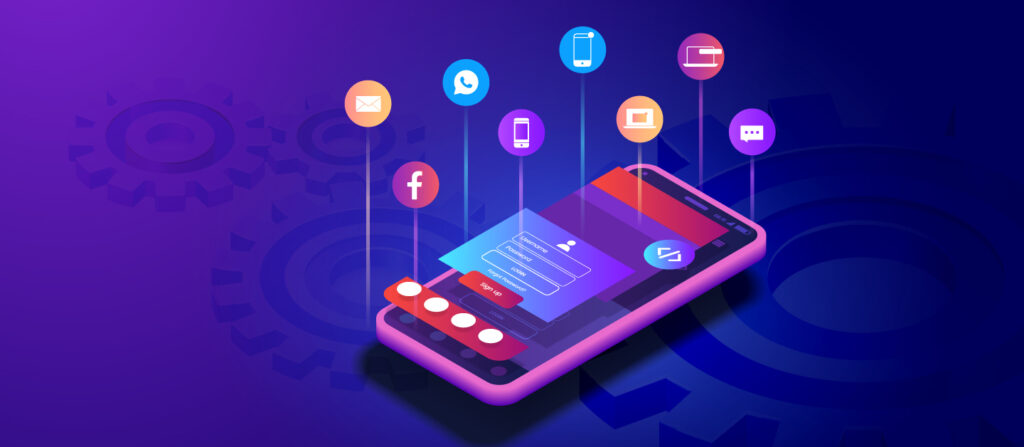
SMS marketing is one of the oldest and most effective forms of mobile marketing. It allows businesses to send promotional messages directly to customers’ phones. With high open rates, SMS is a great way to share offers, updates, and alerts.
2. Mobile Apps
Developing a mobile app helps businesses create a direct connection with their customers. Apps can provide a personalized experience, push notifications, and easy access to products or services.
3. Social Media Marketing
Platforms like Instagram, Facebook, and Twitter are heavily used on mobile devices. Businesses can leverage these platforms to run ads, share content, and engage with users.
4. Mobile-Friendly Websites
A mobile-friendly website ensures that users have a smooth browsing experience on their phones. Responsive design, fast loading speed, and easy navigation are key factors for success.
5. Location-Based Marketing

This strategy uses GPS technology to target users based on their location. Businesses can send offers or notifications when customers are near their store.
Benefits of Mobile Marketing
- Wider reach and accessibility
- Higher engagement rates
- Cost-effective compared to traditional marketing
- Real-time communication with customers
- Better personalization and targeting
Challenges of Mobile Marketing
Despite its advantages, mobile marketing also has some challenges. Privacy concerns, ad fatigue, and the need for constant optimization can make it difficult for businesses. Additionally, creating content that fits different screen sizes and devices requires careful planning.
Future of Mobile Marketing

The future of mobile marketing looks promising with advancements in technology. Artificial intelligence, augmented reality, and 5G connectivity will make mobile experiences faster and more interactive. Businesses that adapt to these changes will have a competitive advantage.
Conclusion
Mobile marketing is transforming the way businesses interact with their customers. By using the right strategies and tools, companies can build strong relationships and drive growth. As mobile usage continues to rise, investing in mobile marketing is a smart move for any business aiming to succeed in the digital age.
